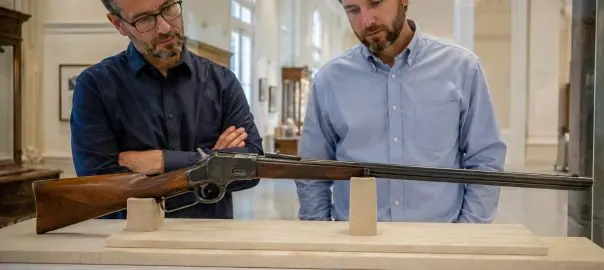
Before entering a gun show, decide what would make you walk away. A crowded room, unfamiliar equipment and a seller's limited-time framing can make an interesting find feel urgent. A better approach is to arrive with a written purpose, a spending limit and clear inspection standards. This guide follows Alex, a hypothetical visitor seeking a used sporting firearm and range equipment, to show how small decisions can protect his budget and responsibilities.
Start with a purpose, not a wish list
Alex's first decision is whether he is shopping for a specific type of equipment, gathering information or simply browsing. Each purpose requires different preparation.
If he wants a firearm, he writes down its intended lawful use, important features and conditions that would rule out a purchase. If he is comparing optics, cases, hearing protection or cleaning equipment, he notes compatibility questions in advance. This keeps an appealing display from replacing a useful standard.
His short list might include a general model or category, acceptable condition, essential features and a maximum total budget. He leaves room for lawful transfer costs, required accessories, transportation and any training or storage expenses that apply. Because legal and financial requirements vary, he checks current official guidance before the event.
Build a gun show budget that includes the second decision
A budget is more than the amount in Alex's wallet. He sets both a purchase ceiling and a pause rule: if the complete cost is unclear, he does not commit at the table.
The total may include taxes, transfer-related charges, a case, compliant storage, replacement parts or professional service. A used item that looks affordable can become poor value if its condition requires immediate work. Alex does not rely on a seller's estimate of future costs without verifying the issue himself or with a qualified professional.
Cash, cards and payment policies may vary by seller and venue. Before paying, he asks about the total price, accepted payment method, return policy and paperwork. A seller who will not explain basic terms is a reason to slow down, not negotiate faster.
Inspect the item before discussing how much you want it
A careful firearm inspection begins with safety. Alex handles an item only when the seller permits it and provides direction. He treats the firearm as loaded, keeps it pointed in a safe direction and leaves it under the seller's control. He does not disassemble, function-test or manipulate a mechanism beyond what the seller or a qualified professional authorizes.
For a used firearm, he looks for obvious damage, deep corrosion, altered markings, cracked stocks or grips, loose parts and signs of careless storage. He compares the condition with the description and asks whether the item was modified, repaired or exposed to conditions that could affect safe operation. Missing documentation, unclear markings or an unusual configuration warrant careful follow-up.
The right answer may be to have a qualified gunsmith inspect the item before purchase. If that is not possible, Alex can record the make, model and serial information as legally permitted, take notes and leave without buying. A visual check is never proof that a firearm is safe or suitable.
Treat venue rules as part of the buying decision
Before attending, Alex checks the event's current instructions for entry, prohibited items, photography, bags, payment, handling equipment and required identification. Rules can change between events and venues, so an old social-media post or a friend's recollection is insufficient.
He also plans how to transport purchases lawfully after leaving. He reviews current requirements in the relevant state and local jurisdictions, including rules covering possession, transportation, storage and crossing state lines. Legal requirements change; when the situation is unclear, readers should consult current official guidance or a qualified attorney.
Venue policy and law are not interchangeable. A venue may impose stricter rules than the legal minimum, and staff may refuse entry or handling when a visitor cannot follow them. Respecting those rules prevents a shopping question from becoming a problem.
Slow down the transaction at the table
Alex finds an item that fits his list, but the seller says another visitor is interested. That pressure triggers his pause rule. He asks his prepared questions, confirms the total cost and determines whether the seller is a licensed dealer or private seller, where relevant.
Lawful gun transactions depend on the circumstances, including the parties, firearm and jurisdictions involved. Alex does not assume a face-to-face sale is automatically permitted, that a private transfer requires no paperwork or that a show setting changes the law. He follows the required process, provides accurate information and rejects any suggestion to bypass an applicable background check, transfer procedure or recordkeeping obligation.
If a dealer is involved, he asks what identification and documentation are required. For another type of seller, he verifies the applicable rules before proceeding. A show organizer, dealer or government source may explain general requirements, but complicated legal questions call for current official guidance or professional legal advice.
Leave with information when the numbers do not work
The strongest outcome is not always a purchase. Alex may find that the firearm's condition is uncertain, the total exceeds his budget or the transaction details need verification. Walking away preserves his options and provides useful information for later comparison.
Before leaving, he reviews his notes, compares the item with his original criteria and separates confirmed facts from sales opinions. A compact checklist helps:
– Does the item match the intended use and essential features?
– Did I inspect its visible condition safely and ask about repairs or modifications?
– Is the full cost clear, including related expenses?
– Do I understand the current lawful transfer and transportation requirements?
– Do the venue's rules and the seller's terms fit my plan?
– Would I still buy it after a day to think?
That final question may be the most useful. A gun show can provide access to equipment, knowledgeable conversations and comparisons, but its value comes from making a sound decision, not the fastest one.